What Is Nététou/ Soumbala / Soumbara? A Beginner’s Guide to West Africa’s Flavourful Secret
If you’ve ever looked at a traditional Senegalese recipe, you may have come across an ingredient called nététou. It can also be called Soumbala / Sumbala / Soumbara: Widely used in Mali, Guinea, Burkina Faso, and Ivory Coast. If you’re wondering what it is, don’t worry, you’re not alone. Its strong aroma can surprise first-time cooks, but it’s one of the most treasured ingredients in West African cuisine.
In this beginner’s guide, we’ll explain what nététou is, how it’s made, what it tastes like, and how to use it in your cooking.
What Is Nététou / Soumbala / Soumbara?
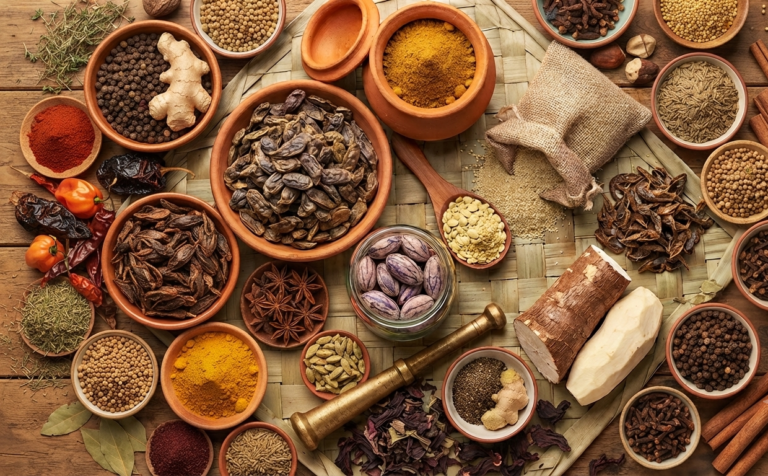
Nététou is a traditional West African seasoning made by fermenting the seeds of the African locust bean tree. The fermentation process gives the seeds a powerful aroma and a rich, savoury flavour that enhances soups, stews, and rice dishes.
For generations, families across Senegal and neighbouring countries have relied on nététou to add depth and character to their cooking.
What Does Nététou / Soumbala / Soumbara Taste Like?
The first thing you’ll notice about Nététou is its strong smell. It can be quite surprising if you’ve never encountered fermented foods before.
However, once cooked, the flavour becomes much milder and blends beautifully into the dish. It adds a deep umami taste that is earthy, slightly nutty, and wonderfully rich.
Many people compare its role in cooking to ingredients such as miso, fermented shrimp paste, or anchovies in other world cuisines. Although the flavours are different, they all serve the same purpose: adding complexity and savoriness to food.
How Is Nététou / Soumbala / Soumbara Made?
The process begins with harvesting the seeds from the pods of the African locust bean tree.
The seeds are:
- Boiled until tender
- Cleaned thoroughly
- Fermented naturally for several days
- Dried or shaped into small balls or cakes
This traditional method has been passed down through generations and varies slightly from one region to another.
How Do You Use Nététou / Soumbala / Soumbara?
Nététou is used as a seasoning rather than a main ingredient.
A small amount is usually added during cooking, where it slowly dissolves into the sauce or stew, enriching the overall flavour.
It’s commonly used in:
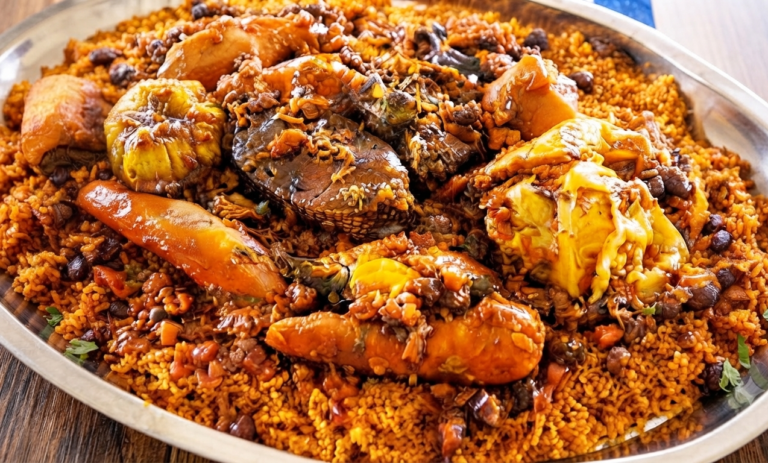
- Thiéboudieune (Senegal’s national dish)
- Soups
- Vegetable stews
- Meat stews
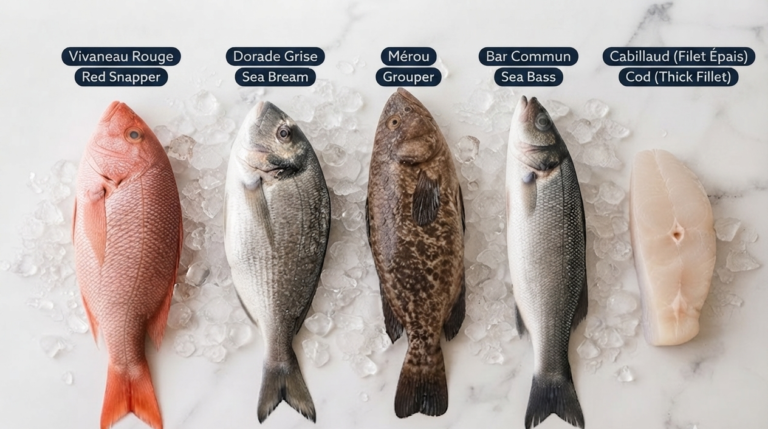
- Fish dishes
- Bean recipes
- Traditional sauces
Because of its concentrated flavour, a little goes a long way.
Can You Eat Nététou / Soumbala / Soumbara Raw?
While it is technically edible, nététou is almost always cooked as part of a recipe. Heating it helps mellow its aroma and allows its rich flavor to blend with the other ingredients.
Where Can You Buy Nététou / Soumbala / Soumbara?
If you live near an African grocery store, you’ll often find nététou in the spice or seasoning section.
It may be sold:
- As dried seeds
- In small balls
- As compressed cakes
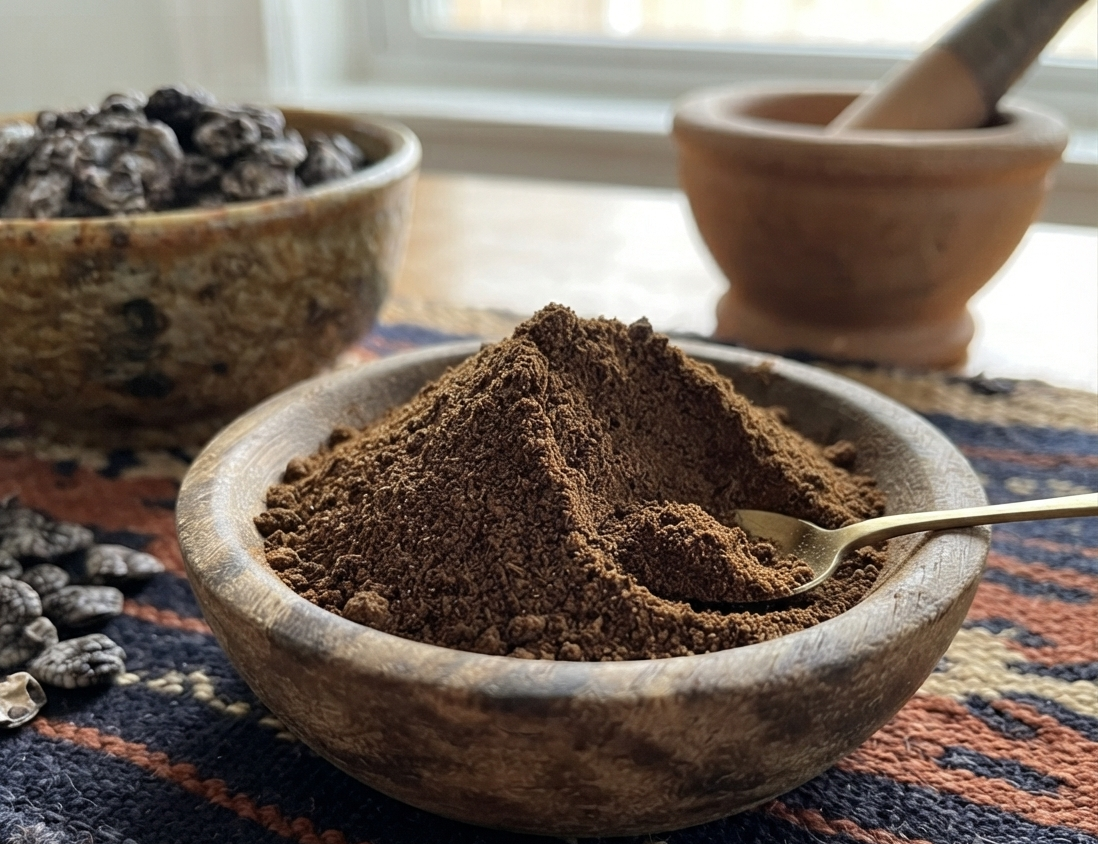
- Sometimes in powdered form
If you don’t have an African market nearby, some online specialty food stores also carry it.
How Should You Store It?
To keep nététou fresh:
- Store it in an airtight container.
- Keep it in a cool, dry place.
- For longer storage, refrigerate or freeze it.
Proper storage helps preserve both its flavor and aroma.
Is Nététou / Soumbala / Soumbara Healthy?
In addition to its rich flavour, nététou contains natural plant protein and is traditionally valued as a nutritious ingredient. Since it’s used in small quantities as a seasoning, its primary purpose is to enhance the taste of a dish while contributing nutrients from fermented legumes.
Tips for First-Time Cooks
If you’re new to cooking with nététou, here are a few tips:
- Start with a small amount until you’re familiar with its flavour.
- Add it while your stew or sauce is simmering so it has time to blend in.
- Pair it with onions, garlic, tomatoes, and peppers for a classic West African flavour base.
- Don’t judge it by its smell alone—the flavour transforms beautifully during cooking.
Final Thoughts
Nététou is much more than a seasoning; it’s a cherished part of West African culinary heritage. While its aroma may seem bold at first, it delivers a depth of flavour that has made it a staple in Senegalese kitchens for generations.
If you’re looking to cook authentic West African meals, learning how to use nététou is an excellent place to start. Once you’ve experienced the rich, savoury taste it brings to your dishes, you’ll understand why it’s considered one of the region’s best-kept culinary secrets.
At La Cuisine des Gourmands, we’re passionate about sharing the authentic flavours and traditions of West African cooking. Explore our recipes and cooking guides to discover how ingredients like nététou bring every dish to life.