How to Choose the Best Fish for Thiéboudienne When You Live Abroad
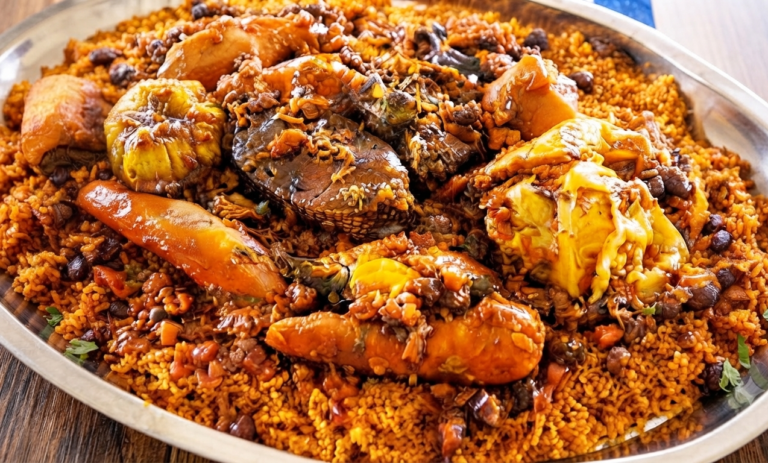
Thiéboudienne (also spelled Thieboudienne or Ceebu Jën) is Senegal’s national dish and one of the most beloved meals in West Africa. Traditionally, it’s prepared with fresh local fish, but if you live outside Senegal, finding the exact varieties used back home can be a challenge.
The good news is that you can still make an authentic and delicious Thiéboudienne by choosing the right type of fish available in your local grocery store or fish market.
In this guide, we’ll show you what to look for and which fish make the best substitutes.
What Makes a Good Fish for Thiéboudienne?
Not every fish is suitable for Thiéboudienne.
The ideal fish should:
- Be firm enough to hold its shape during cooking.
- Have a mild, fresh flavour.
- Be large enough to stuff with the traditional herb filling (rof).
- Stay moist after simmering with the rice and vegetables.
- Preferably have the skin on, as it helps keep the fish together.
Avoid delicate fish that easily fall apart while cooking.
The Best Fish to Use Outside Senegal
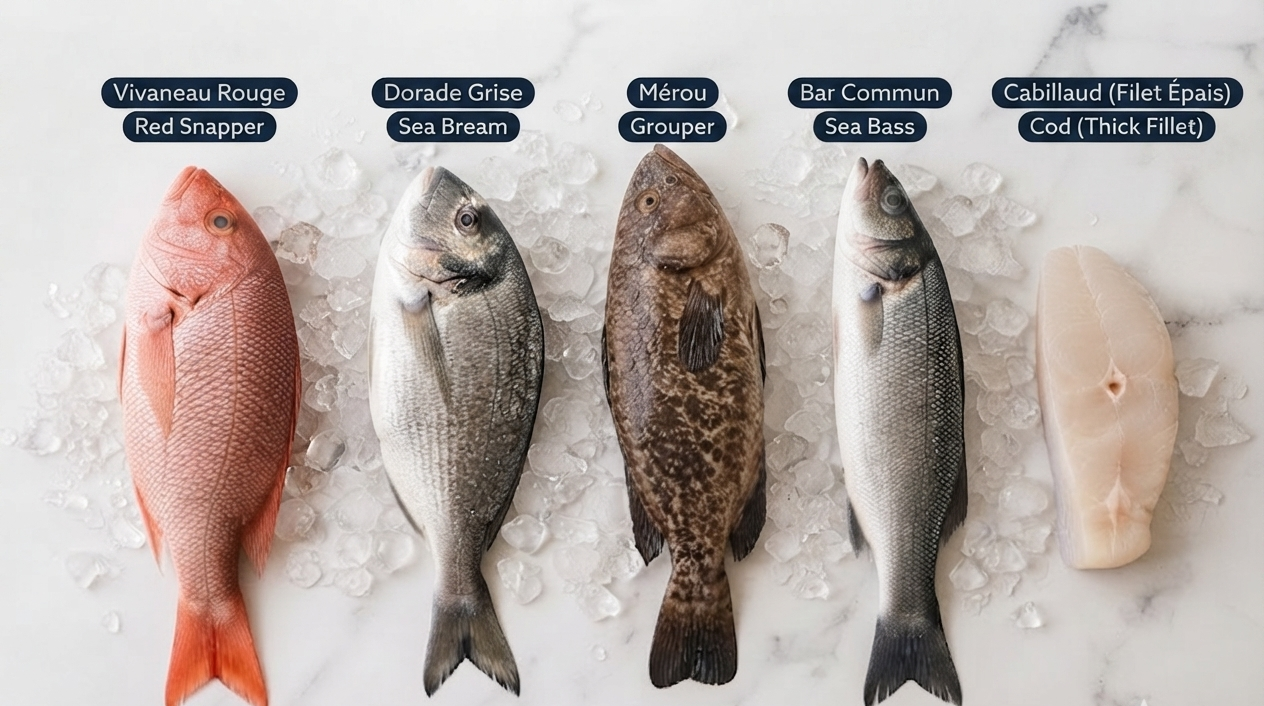
1. Red Snapper ⭐⭐⭐⭐⭐
If you can find whole red snapper, it’s one of the best choices for Thiéboudienne.
It has:
- Firm white flesh
- Mild flavor
- Holds together beautifully
- Perfect size for stuffing
This is one of the closest substitutes for traditional Senegalese fish.
2. Sea Bream (Dorade) ⭐⭐⭐⭐⭐
Sea bream is another excellent option.
Its firm texture and delicate flavor make it ideal for slow cooking, and it absorbs the rich tomato sauce without becoming mushy.
3. Grouper ⭐⭐⭐⭐☆
Grouper has thick, meaty flesh that stands up well during the long cooking process.
If available, choose a whole grouper or large steaks with the bone in.
4. Sea Bass ⭐⭐⭐⭐☆
Sea bass works very well, especially if you can find it whole.
Its mild flavor allows the stuffing, vegetables, and rice to shine.
5. Cod (Thick Fillets) ⭐⭐⭐☆☆
Cod is widely available in many countries.
While it’s softer than traditional choices, thick fillets can work if handled gently during cooking.
6. Halibut ⭐⭐⭐⭐☆
Halibut has a firm texture that holds together nicely.
Because it’s a lean fish, avoid overcooking it.
7. Tilapia ⭐⭐⭐☆☆
Tilapia is affordable and easy to find.
Although it’s not traditional, whole tilapia can produce a delicious homemade Thiéboudienne, especially for beginners.
Fish to Avoid
Some fish simply don’t work well because they’re too delicate or oily.
Avoid:
- Sole
- Flounder
- Haddock
- Pollock
- Catfish
- Very thin frozen fillets
These varieties tend to break apart during cooking or don’t provide the texture needed for authentic Thiéboudienne.
Fresh vs. Frozen Fish
Fresh fish is always ideal, but frozen fish can produce excellent results if it’s properly thawed.
For the best texture:
- Thaw it slowly in the refrigerator overnight.
- Pat it dry with paper towels before seasoning.
- Avoid refreezing once thawed.
Should You Buy Whole Fish or Fillets?
Whenever possible, choose a whole fish.
A whole fish allows you to:
- Stuff it with traditional rof (the herb and garlic filling).
- Keep the fish intact during cooking.
- Enjoy a presentation that’s much closer to the traditional Senegalese dish.
If whole fish isn’t available, thick bone-in steaks are your next best option.
Tips for Shopping at the Fish Market
When buying fish, look for:
- Bright, clear eyes.
- Firm flesh that springs back when touched.
- A fresh, clean smell—not a strong fishy odor.
- Bright red gills (if purchasing whole fish).
- Shiny, moist skin.
These are all signs of freshness.
Can You Make Authentic Thiéboudienne Without Traditional Senegalese Fish?
Absolutely.
While many families in Senegal have their favorite local fish, the heart of Thiéboudienne isn’t just the fish itself. It’s the combination of beautifully seasoned fish, flavorful tomato rice, fresh vegetables, and the aromatic rof stuffing.
Using a high-quality fish available where you live allows you to recreate the spirit and authentic taste of this iconic dish, even if you’re thousands of kilometers from Senegal.
Final Thoughts
Living abroad doesn’t mean you have to give up authentic Senegalese cooking. By choosing a firm, mild-flavored fish like red snapper, sea bream, grouper, or sea bass, you can prepare a Thiéboudienne that’s both delicious and true to its roots.
At La Cuisine des Gourmands, our goal is to help home cooks around the world recreate the authentic flavours of West Africa using ingredients they can easily find. Explore our complete Thiéboudienne recipe for step-by-step instructions, helpful tips, and techniques to make this beloved dish with confidence—wherever you call home.