The History Behind Senegalese Thieboudieune (Ceebu Jën Rice)
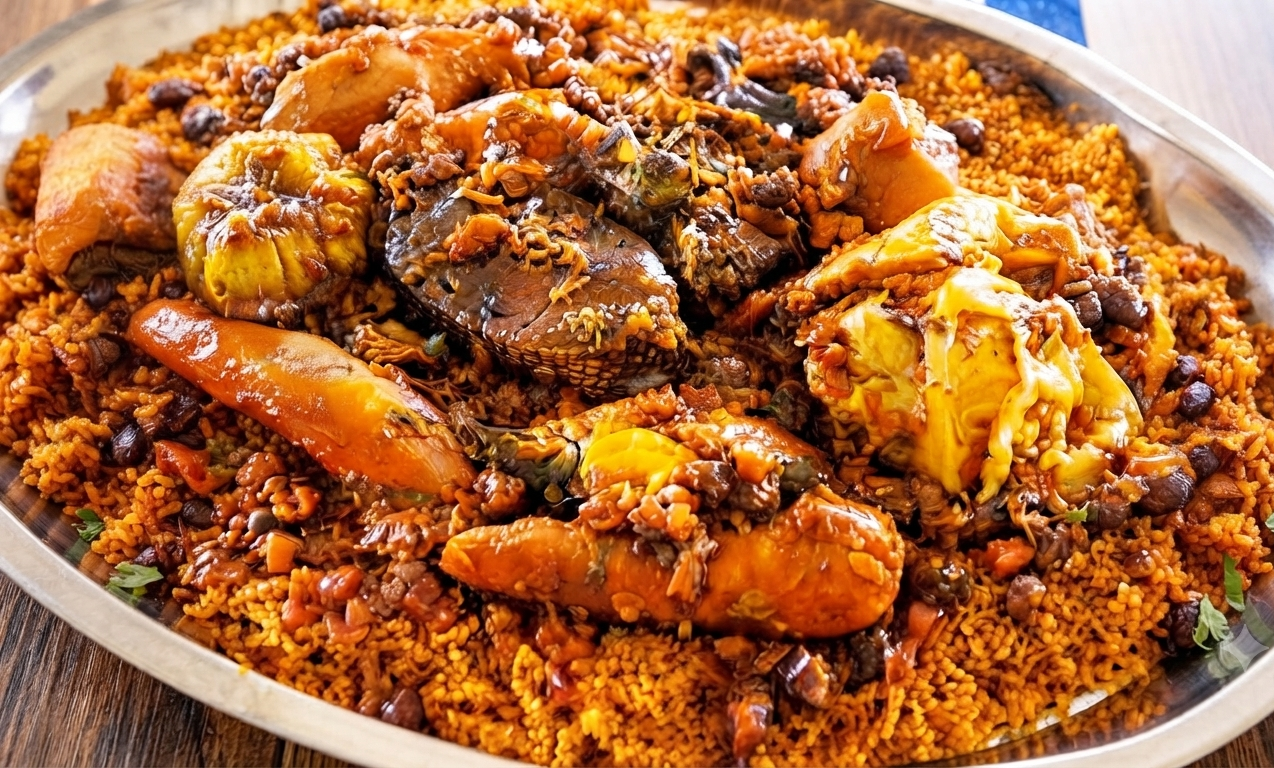
There is a particular shade of orange-red that, if you grew up anywhere near a Senegalese kitchen, you would recognize instantly. It’s the color of a pot of rice that has spent an hour soaking up tomatoes, onion, garlic, and a little chili, the color of ceebu jën, the dish most Senegalese will tell you, without hesitation, is the soul of their table.
Today I’m sharing the heart of that dish: the rice base itself. This is the simplified, weeknight-friendly version, the part of ceebu jën that does the real flavor work, made approachable enough that you can have it on the table in under an hour, any night you like.
A Dish Born From Necessity: The Story of Ceebu Jën
Every great national dish seems to have an origin story, and Senegal’s is a good one. Oral tradition credits the dish to Penda Mbaye, a cook who worked at the colonial governor’s residence in Saint-Louis in the nineteenth century. The story goes that she substituted rice for barley during a shortage, and in doing so, more or less invented what would become Senegal’s culinary signature. She’s also credited with adding mashed cherry tomatoes to the pot, deepening both the color and the flavor of the dish in a way that made it irresistible.
The name itself tells you everything you need to know about the dish’s two pillars: “ceeb” means rice and “jën” means fish in Wolof, literally rice and fish. It went on to conquer households across Saint-Louis before winning over the entire country, and in 2021, it was inscribed on UNESCO’s Intangible Cultural Heritage of Humanity list, official recognition of something Senegalese families already knew: that this pot of rice is a vessel for memory, hospitality, and identity all at once.
It’s also, as it happens, a member of a much larger family. Today, jollof rice in Senegal goes by the name ceebu jën or thieboudienne, and versions of this same one-pot, tomato-rice tradition show up across West Africa under different names, riz au gras in Côte d’Ivoire, jollof in Nigeria and Ghana. They’re cousins, not identical twins: the techniques, spice blends, and a few key ingredients shift from kitchen to kitchen, but the soul of the dish, rice cooked low and slow in a richly seasoned tomato broth, stays the same.
What Makes This “Rice Base” Special
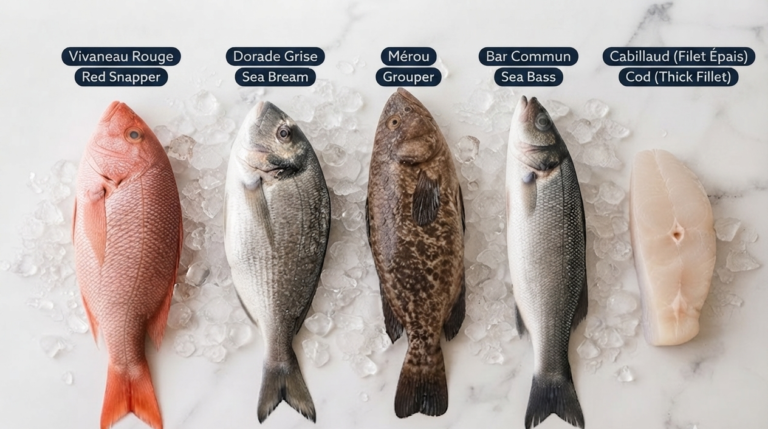
A full, traditional ceebu jën involves stuffing a whole fish with an herb paste, simmering it with vegetables like cassava, carrots, and cabbage, then cooking the rice in that same flavorful broth. It’s a labor of love, often reserved for Sundays and special occasions.
This recipe pulls out the part most home cooks reach for on a regular weeknight: the rice base itself. Master this, and you’ve got a foundation you can build almost anything on, serve it under grilled or fried fish, alongside Yassa chicken, with sautéed vegetables, or simply on its own with a wedge of lime. Think of it as the engine of the dish, ready to go wherever you need it.
A Taste of Teranga
In Senegal, food is rarely just food, it’s an expression of teranga, the deep-rooted tradition of hospitality and generosity that defines how people welcome guests into their homes. A pot of this rice, however simplified, carries a little of that spirit with it. I hope it finds a place at your table the way it has at so many others.